
 עברית
עברית
Mangosteen: The Medicinal and Cultural Powers of the Queen of Tropical Fruits
The mangosteen is characterized by a thick purple skin and a white, juicy core. The fruit is harvested mainly in the summer months, and has a sweet and sour taste at the same time. Mangosteen is grown mainly in tropical conditions and it requires a lot of moisture and heat.
Mangosteen, also known as the “Queen of Fruits”, is a tropical fruit from the Gercinia family. Its scientific name is Garcinia mangostana. It is a small to medium sized tree, and usually reaches a height of 6-25 meters. Mangosteen trees are characterized by dense, green vegetation, with thick, smooth, shiny leaves that look almost leather-like.
The tree bears large flowers, which develop into a round fruit with a diameter of about 3-7 centimeters. The fruit is coated with a thick red skin that contains strong anti-oxidant substances. Inside the shell there are soft white fruit lobes that are characterized by a sweet and delicate taste and a pleasant smell. The fruit contains between four and eight lobes, with each lobe containing a large, hard kernel.
Mangosteen is famous for its many health benefits, and in particular for its high content of xanthones, a group of pigments with strong antioxidant properties. The tree is considered a slow grower and requires humid tropical climate conditions to grow well, while the ripening process of the fruit is slow and may take several years.
Beyond its juiciness and sweet taste, the mangosteen fruit offers many uses in different cuisines and is a popular ingredient in tropical dishes. It is considered an excellent addition to fruit salads, juices and even seasoning meats and fish, while adding a refreshing and special taste.
Mangosteen (scientific name: Garcinia mangostana) is a tropical fruit that is considered one of the “best fruits in the world”. With a history that comes from Southeast Asia, the mangosteen has been nicknamed the “Queen of Fruits” in these regions, due to the many nutritional and medicinal values it offers.
What is good about mangosteen?
- Taste: The mangosteen offers a rich and unique taste that makes it a favorite among fruit lovers.
- Low calorie content: rich in nutrition but low in calories, making it a perfect choice for dieting.
- Rich in antioxidants: Contains strong antioxidants such as vitamin C and catechins.
- High fiber content: helps with digestion and maintains intestinal health.
- Minerals: a good source of magnesium, copper and manganese.
The nutritional values of mangosteen per 100 grams:
- Calories: 73
- Proteins: 0.41 grams
- Fat: 0.58 grams
- Carbohydrates: 17.91 grams
- Fiber: 1.8 grams
- Vitamin C: 2.9 mg (about 5% of the daily recommended value)
- Calcium: 12 mg
Compounds and phytonutrients in mangosteen:
- Catechins: antioxidant compounds that help prevent inflammation and cancer.
- Xanthone: an antioxidant with immune-boosting properties.
- Polyphenols: Studies show they may contribute to heart health and protection against chronic disease.
Mangosteen in medicine:
The medicinal uses of mangosteen are varied and include:
- Eye health: rich in vitamin A, important for visual function.
- Digestive support: the fiber content helps digestion and prevents constipation.
- Antioxidants: help protect cells from free radical damage.
- Reducing inflammation: the polyphenols and catechins reduce inflammation in the body.
What are some of the health benefits of mangosteen?
Mangosteen in cosmetics:
The use of mangosteen is not limited only to the kitchen, but also as an ingredient in the cosmetics industry:
- Anti-aging: the antioxidant properties contribute to slowing down aging.
- Skin health: helps reduce inflammation and improve the appearance of the skin.
- Hair care: contains vitamins and minerals that strengthen the hair.
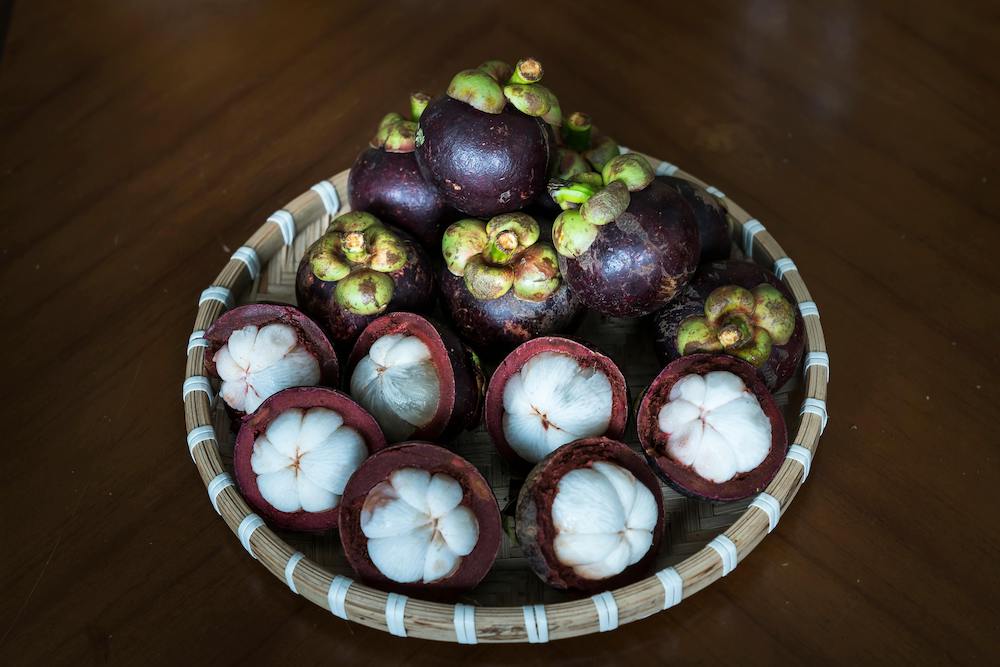
Where Mangosteen Can Be Found?
Mangosteen can be found in health food stores and markets specializing in tropical fruits. The fruit also appears in a variety of industrial products such as juices and nutritional supplements.
The mangosteen offers a unique combination of rich taste, impressive health properties and many uses in the field of cosmetics, making it one of the most selected and sought-after fruits in the world.
The cultivation enthusiasts among us will perhaps even be happy to grow the mangosteen in the garden. Want to know how? Visit the article How to grow mangosteen?
Why is the mangosteen fruit called the queen of fruits?
Mangosteen is called the “queen of fruits” mainly due to its special and complex taste, which combines sweetness with sour touches, and the juicy and silky texture of the fruit. The fruit is prestigious and considered a delicacy around the world, especially in Southeast Asia, where it originally grows.
The fruit is also special botanically and nutritionally. It contains high levels of antioxidants, vitamins and minerals, and is known for its beneficial properties for health. Some of these properties include helping to prevent aging processes and strengthening the immune system, which makes it particularly sought after and contributes to its nickname as “Queen”.
In addition, mangosteen is known for its relatively short growing season and its specific growing requirements, which make it less available and more special than other fruits, which gives it a high status and a prestigious price in markets outside of its growing areas
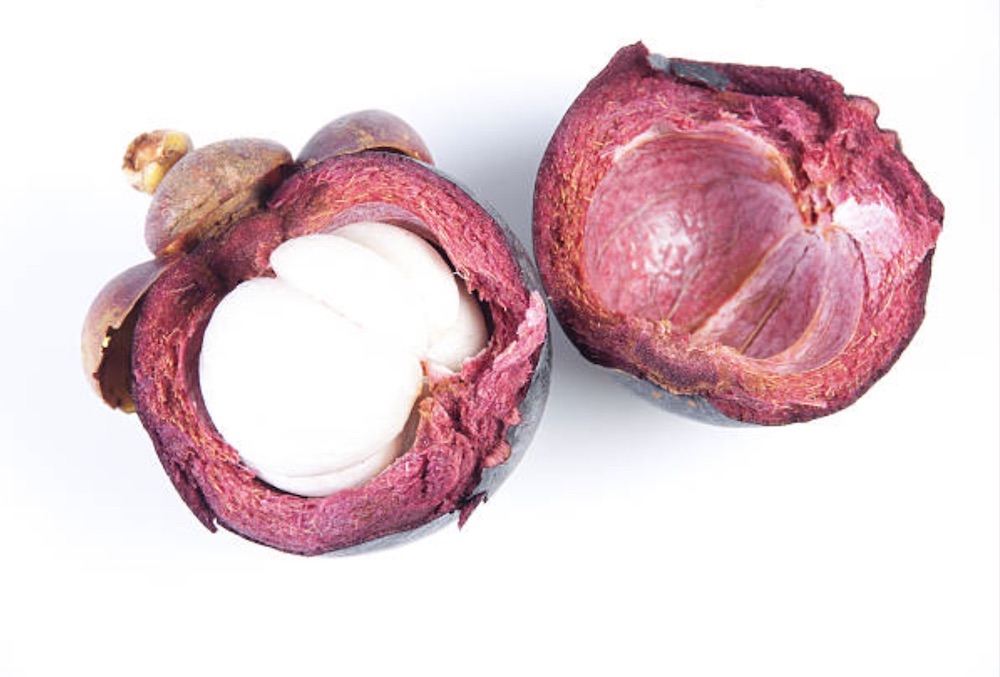
What can be done with the mangosteen peel?
The mangosteen peel contains a wide variety of compounds rich in antioxidants and is considered a valuable raw material. Here are some ways in which the shell can be utilized for different uses:
- Herbal tea: The mangosteen peel can be dried and used as a raw material for making tea. It contains compounds that can contribute to general health and strengthen the immune system.
- A component in spice mixes: the dry peel can also exist as part of spice mixes for foods and drinks, while enriching them with a unique aroma and taste.
- Natural cosmetics: Mangosteen peel extracts can be used to create care products such as creams and face masks, thanks to its anti-inflammatory and nourishing properties.
- Cleaning and purification: studies show that the mangosteen peel has antibacterial and antifungal properties, so it can be used as a raw material in home cleaning and purification mixtures.
- Repelling pests: the high tannin content in the bark can be used to keep insects and pests away from the house or garden.
It is worth noting that when mangosteen peel is used for various purposes, it must be ensured that the peel is clean and free of pesticides or other impurities. If the peel is not properly dried, it must be dried in a shaded and ventilated place before using it.