
 עברית
עברית
One Fruit, Countless Benefits for Health, Beauty, and the Kitchen
It’s hard to think of a food that carries such a clear aura of health as the avocado.
Green, rich, soft, and creamy, it delivers a deep sense of satiety in almost any form.
To me, avocado perfectly embodies the concept of “smart fat”, indulgent to the palate, yet deeply nourishing to the body.
But avocado is far more than a tasty, satisfying food.
It is a functional food, one that works from the inside out.
It influences metabolism, hormonal balance, skin and hair quality, and even the way the brain functions.
In this article, we dive into avocado from a deeper perspective, health-focused, aesthetic, and anti-aging,
and uncover the avocado benefits and why avocado is one of the smartest fruits you can incorporate into your life.
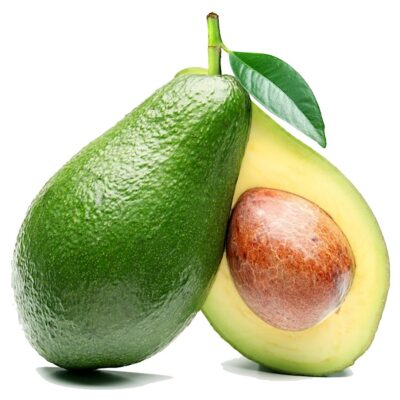
Description of the Plant and the Fruit
Avocado, botanically known as Persea americana, is an evergreen tree from the laurel family, native to Central America.
For thousands of years, it served as a staple food in the cultures of Mexico and Guatemala, long before becoming a modern kitchen star.
Botanically, it is classified as a fruit and is sometimes even considered a nut, yet from a culinary perspective, it is entirely unique.
Its buttery texture and neutral, fatty flavor allow it to move effortlessly between worlds, savory and sweet, cold and warm, simple and gourmet.
There are dozens of avocado varieties. In Israel and worldwide, the most common include Hass, Ettinger, Fuerte, and Reed.
Each variety has its own character, slightly different fat content, and distinct texture, making the choice of avocado part of the experience itself.
Nutritional Values and Active Compounds
Per 100 grams of fresh avocado
Avocado provides approximately 160 calories, most of them coming from high-quality fat.
It contains about 15 grams of fat, primarily monounsaturated fat, around 2 grams of protein,
and about 9 grams of carbohydrates, of which roughly 7 grams are dietary fiber.
In terms of vitamins and minerals, avocado is particularly rich in vitamin K, vitamin C, vitamin E,
B vitamins including folate, and potassium, in amounts higher than those found in bananas.
This combination creates a fruit that is satiating, stabilizes blood sugar, and nourishes deep systems within the body.
Unique Bioactive Compounds
Beyond its nutritional profile, avocado contains important bioactive compounds.
Lutein and zeaxanthin support eye health and protect the skin from light-induced damage.
Beta-sitosterol helps balance cholesterol levels.
Glutathione, one of the body’s most important antioxidants, supports liver function and promotes an even skin appearance.
Oleic acid, the primary fatty acid in avocado, is known for its anti-inflammatory activity.
Deep Health Benefits
Heart and Cardiovascular Health
The monounsaturated fat in avocado helps balance blood lipid profiles, supports a reduction in LDL cholesterol,
and contributes to increased HDL levels. Its potassium content helps regulate blood pressure and reduce strain on the heart.
Brain and Nervous System Health
B vitamins, potassium, and high-quality fats support proper nerve function, concentration, memory, and emotional stability.
This makes avocado an excellent food during periods of mental overload or prolonged stress.
Detoxification and Liver Support
The high glutathione content, together with dietary fiber, supports liver function and the elimination of toxins through the digestive system.
Eye Health
Lutein and zeaxanthin protect the retina, reduce oxidative damage, and may lower the risk of age-related macular degeneration.
Satiety and Blood Sugar Balance
Avocado creates a deep, long-lasting sense of fullness, slows sugar absorption from meals,
and is especially suitable for people prone to sharp spikes in blood sugar levels.
Avocado and Anti-Aging
At Miss Ageless, we don’t view anti-aging as a fight against age, but as the creation of conditions that allow the body to function optimally over time.
Avocado fits this philosophy perfectly.
Its fat nourishes cell membranes, supports the production of steroid hormones, improves skin elasticity,
and contributes to natural hydration from within.
The fact that it barely raises blood sugar makes it a valuable ally in preserving collagen and maintaining a youthful appearance.
Culinary Uses
Avocado is one of the most versatile ingredients in the kitchen.
It can be enjoyed on toast with coarse salt and lemon, in salads, as a guacamole-style spread,
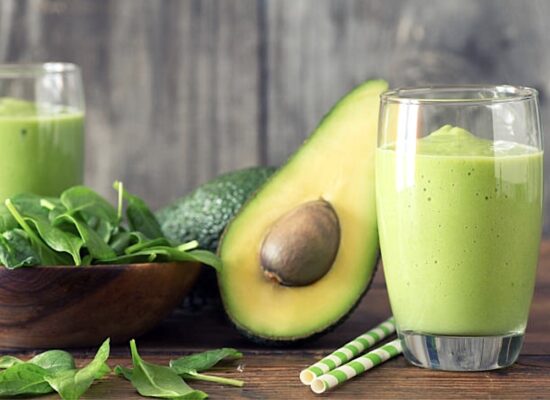
in green smoothies, with eggs, fish, or cheeses, and even in natural desserts such as chocolate mousse or homemade ice cream.
Important tip: combining avocado with pigment-rich vegetables significantly improves the absorption of fat-soluble vitamins.
Cosmetic Uses
Beyond nutrition, avocado is also an excellent cosmetic ingredient.
Cold-pressed avocado oil absorbs well into the skin, is suitable for dry and mature skin,
and supports repair, elasticity, and natural radiance.
You can prepare a homemade face mask from mashed avocado with coconut oil or honey,
use avocado oil locally on dry areas, or incorporate it into nourishing masks for dry or damaged hair.
What About the Avocado Pit?
The avocado pit is the most concentrated and active part of the fruit.
It is not intended for regular consumption like the flesh, but it contains a high concentration of bioactive compounds.
The pit is rich in polyphenols and flavonoids, powerful antioxidants, as well as tannins and insoluble fiber.
These compounds are associated with anti-inflammatory activity, liver support, digestive balance, and reduced oxidative stress.
Preliminary studies suggest a potential influence on lipid and blood sugar balance,
mainly through slowed absorption and effects on gut microbiota.
Additionally, its high antioxidant content may indirectly support internal anti-aging processes by reducing oxidative cellular damage.
However, the pit is highly concentrated, bitter, and not suitable for daily use or large quantities.
If used at all, it should be consumed in very small amounts and typically within a medicinal or traditional context.
It is not recommended for pregnant women, individuals with sensitive digestive systems,
or in combination with medications without professional guidance.
Bottom line: the avocado pit is not a staple food but an active substance.
It illustrates the difference between nutritional trends and conscious, precise use of medicinal plants.
Common and Traditional Uses
Drying and gentle grinding
The pit is fully dried, then grated or ground into a very coarse powder.
Only a pinch is used, generally for functional rather than culinary purposes.
Infusion or bitter tea
A small slice or a small amount of powder is steeped in hot water.
This is sometimes used to support digestion or as part of traditional practices.
Extract or infusion
Some soak pit pieces in hot water or plant-based alcohol to extract active compounds, for occasional use only.
External cosmetic use
Powdered pit is sometimes used as a gentle body exfoliant or in deep-cleansing masks,
thanks to its antioxidant and antibacterial properties.
Natural dye
The pit is used to dye fabrics, yarn, or paper in shades ranging from pink to brown,
a practice common in the natural dyeing world.
Avocado and Animals
It’s important to know that not all parts of the avocado are suitable for animals.
The peel and pit contain persin, a compound that can be toxic to certain animals.
Therefore, offering avocado to pets is not recommended without professional guidance.
Warnings and Contraindications
Avocado is calorie-dense, so it should be consumed in mindful portions.
In sensitive individuals, it may cause digestive discomfort.
Topical use of avocado oil may cause irritation on very sensitive skin.
It is not suitable for extremely low-fat diets.
Conclusion
Avocado is not just another fruit.
It is a food of depth, connecting nourishment, balance, and pleasure.
It supports heart, brain, skin, and hormonal health, integrates effortlessly into the kitchen,
and provides a sense of satiety and calm that is hard to find in other foods.
The next time you hold a ripe, beautiful avocado in your hand, remember:
this is not just food. It is a small tool of intelligent nature, working for us from the inside and out.
Sources and Further Reading
- Avocado consumption and cardiometabolic health
A review of studies examining the effects of avocado consumption on blood lipids, insulin response, and overall metabolic health.
https://pubmed.ncbi.nlm.nih.gov/31707346/
- Avocado intake enhances nutrient absorption and satiety
A study demonstrating how the fat content of avocado improves carotenoid absorption and supports satiety and the release of gut hormones.
https://pubmed.ncbi.nlm.nih.gov/22513947/
- Monounsaturated fatty acids and hormone function
A review discussing the role of monounsaturated fats in building cell membranes and their indirect influence on hormonal activity.
https://pubmed.ncbi.nlm.nih.gov/15277155/
- Dietary fat intake and female hormone regulation
An article exploring the relationship between quality dietary fat intake, female hormone regulation, and metabolic response.
https://pubmed.ncbi.nlm.nih.gov/21645315/
- Avocado and liver health, antioxidant activity
Laboratory studies and reviews examining antioxidant compounds in avocado and their effects on liver function.
https://pubmed.ncbi.nlm.nih.gov/18038902/
- Role of dietary fiber and polyphenols in glucose regulation
A comprehensive review on the role of dietary fiber and polyphenols in blood sugar regulation and insulin response.
https://pubmed.ncbi.nlm.nih.gov/27374555/
- USDA FoodData Central, Avocado, raw
Official nutritional data for raw avocado provided by the USDA FoodData Central database.
https://fdc.nal.usda.gov/food/171705/nutrients
- Linus Pauling Institute, Micronutrient Information Center, Fatty Acids
An independent, research-based resource on dietary fats and their effects on human health.
https://lpi.oregonstate.edu/mic/dietary-factors/fatty-acids