
 עברית
עברית
The Versatile Zucchini: Cultivation, Nutritional Benefits, Medical and Cosmetic Uses
Zucchini (Cucurbita pepo), a popular summer squash, is valued not only for its versatility in the kitchen but also for its impressive nutritional profile and extensive health benefits. Originating from the Americas, this humble vegetable has become a staple in kitchens and beauty routines worldwide. Let’s delve into the fascinating world of the Zucchini Benefits, exploring its cultivation, nutritional benefits, and its numerous uses in both medicine and cosmetics.
The Difference Between Squash and Zucchini
Squash and zucchini are terms often used interchangeably to describe similar vegetables, but there are some subtle differences and cultural contexts that distinguish them.
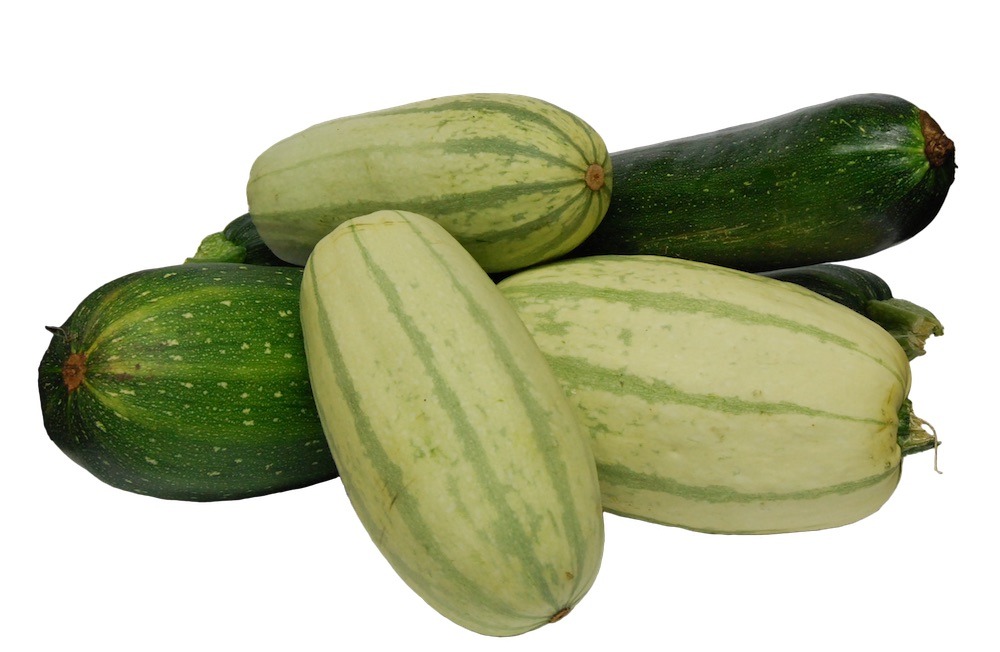
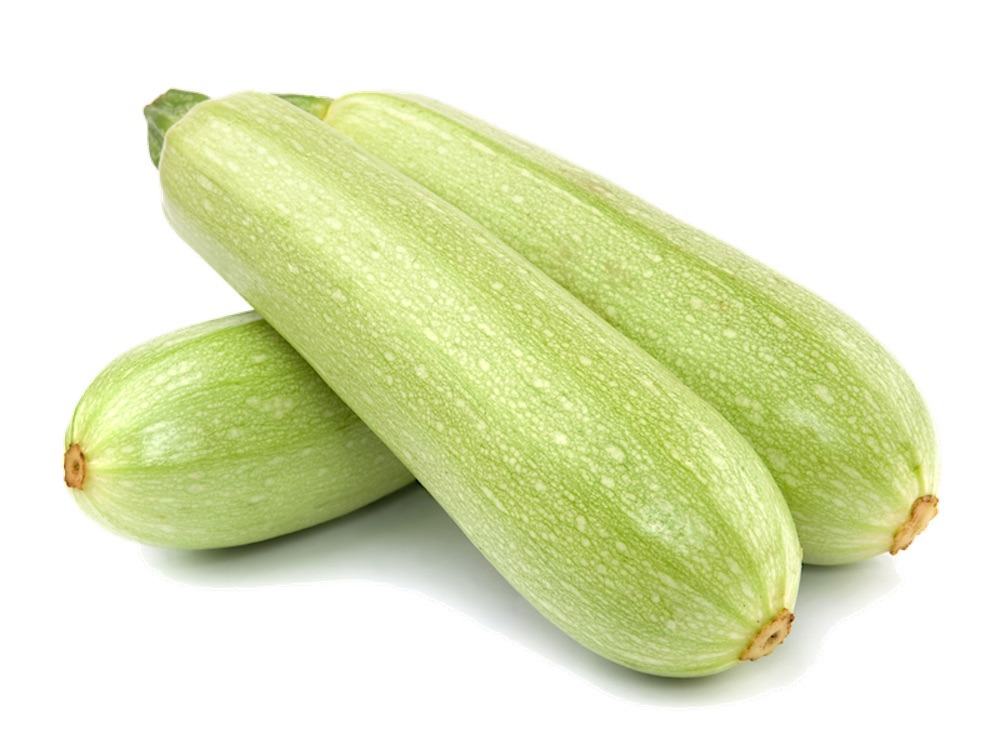
- Squash: The term “squash” is a general name given to a wide variety of gourds from the Cucurbita pepo family, which includes different types of green, yellow, and other colored squashes. In Israel, the term “squash” usually refers to a light green zucchini but can also include other varieties with different colors and textures.
- Zucchini: “Zucchini” is an Italian term originating from “zucchina,” which describes the specific summer squash known as zucchini. In North America, the term zucchini specifically refers to the dark green variety of squash.
Appearance
- Squash: In Israel, squash is typically light green but can also be yellow or striped.
- Zucchini: Zucchini is generally dark green, smooth, and elongated, with a delicate and smooth skin.
Culinary Uses
- Squash: It is used in a wide variety of dishes, including soups, salads, stews, and even baked goods. It can be stuffed, fried, baked, or boiled.
- Zucchini: The use of zucchini is very similar to that of squash, but in the United States and Europe, it is especially popular grilled, in cold salads, and in recipes like zucchini bread and cakes.
The differences between squash and zucchini are mainly cultural and in their appearance, but they are botanically the same vegetable. The primary distinction is that in different parts of the world, there is a preference for different names and forms of cultivation, but the culinary uses and health benefits are almost identical.
Nutritional Benefits of Zucchini (Research)
Zucchini is not only low in calories but also packed with nutrients, making it an excellent addition to any diet. Here’s a detailed look at its nutritional profile per 100 grams:
- Calories: 17
- Protein: 1.2 grams
- Fat: 0.3 grams
- Carbohydrates: 3.1 grams
- Fiber: 1 gram
- Sugars: 2.5 grams
- Vitamin C: 17.9 mg (30% of the Recommended Daily Allowance – RDA)
- Potassium: 261 mg (7% of the RDA)
- Vitamin B6: 0.163 mg (13% of the RDA)
- Folate: 24 µg (6% of the RDA)
- Magnesium: 18 mg (5% of the RDA)
Health Benefits of Zucchini
- Supports Eye Health: Zucchini is rich in antioxidants like lutein and zeaxanthin, which are essential for eye health. These compounds help reduce the risk of age-related macular degeneration.
- Aids Digestion: The fiber content in zucchini promotes healthy digestion and regular bowel movements. It can also help prevent constipation and reduce the risk of colon cancer.
- Boosts Immunity: High in vitamin C, zucchini strengthens the immune system, helping the body fend off illnesses and infections.
- Maintains Heart Health: Potassium and magnesium in zucchini help regulate blood pressure and support cardiovascular health, reducing the risk of heart disease.
- Weight Management: Low in calories and high in water content, zucchini is an excellent choice for those looking to manage their weight. Its fiber content also promotes a feeling of fullness.
Zucchini in Medicine
Zucchini’s health benefits extend beyond its nutritional profile, offering various medicinal properties that can contribute to overall well-being. Here’s a closer look at how zucchini can play a role in maintaining and improving health:
- Anti-Inflammatory Properties: Zucchini contains several anti-inflammatory compounds, including vitamin C and polyphenols. These substances help reduce inflammation in the body, which is crucial for preventing and managing chronic conditions such as arthritis, asthma, and certain autoimmune diseases. Regular consumption of zucchini can aid in reducing inflammation, thereby alleviating symptoms and improving quality of life.
- Digestive Health: The high fiber content in zucchini aids in promoting healthy digestion. Fiber helps to regulate bowel movements, preventing constipation and promoting a healthy gut microbiome. Additionally, zucchini’s water content helps keep the digestive system hydrated and functioning efficiently. This combination of fiber and water makes zucchini a great food for maintaining digestive health.
- Blood Sugar Regulation: Zucchini’s low glycemic index and high fiber content help in stabilizing blood sugar levels. The fiber slows down the digestion and absorption of carbohydrates, preventing rapid spikes in blood sugar levels. This is particularly beneficial for individuals with diabetes or those at risk of developing diabetes, as it helps in managing their condition more effectively.
- Cardiovascular Health: Zucchini is rich in potassium and magnesium, two minerals that play a crucial role in maintaining heart health. Potassium helps regulate blood pressure by balancing sodium levels in the body, while magnesium supports heart rhythm and muscle function. Consuming zucchini can contribute to lowering blood pressure and reducing the risk of heart disease.
- Hydration and Detoxification: With its high water content, zucchini is excellent for maintaining hydration. Proper hydration is essential for overall health, as it supports various bodily functions, including kidney function and detoxification. Zucchini helps flush out toxins from the body, promoting kidney health and reducing the risk of kidney stones and urinary tract infections.
Health Secrets of Zucchini
One lesser-known health secret of zucchini is its potential role in blood sugar regulation. The fiber in zucchini helps slow down the digestion and absorption of carbohydrates, which can prevent spikes in blood sugar levels. This makes zucchini particularly beneficial for individuals with diabetes or those looking to manage their blood sugar levels.
Good to Know: Mucilages in Zucchini
Zucchini contains substances called mucilages. These components are a type of soluble dietary fiber that are released during cutting and cooking of the zucchini. Mucilages are essential for the restoration of stomach lining and overall digestive health. Here is a detailed look at the benefits and importance of mucilages:
1. Restoration of Stomach Lining
- Protection of the Lining: Mucilages form a protective layer over the stomach lining, which helps prevent damage caused by stomach acids and various toxins. This is especially beneficial for individuals suffering from stomach ulcers or other digestive disorders.
- Soothing Effect: Mucilages can soothe irritation and inflammation in the stomach, making them useful for people experiencing heartburn, gastritis, or gastric inflammation.
2. Improvement of Digestion
- Addition of Dietary Fiber: Mucilages are soluble dietary fibers that help improve digestion and bowel movements. They can prevent constipation and promote healthy bowel movements.
- Water Absorption: Mucilages absorb water, increasing stool volume and helping it pass through the digestive tract more easily.
3. Balancing Blood Sugar Levels
- Slowing Sugar Absorption: Mucilages slow down the digestion process and the absorption of carbohydrates, leading to a more gradual increase in blood sugar levels. This is particularly beneficial for individuals with diabetes or those looking to maintain balanced blood sugar levels.
4. Enhancement of Gut Health
- Supporting Gut Microbiome: Mucilages can serve as food for probiotics, the beneficial bacteria in the gut. This helps maintain a balanced and healthy microbiome, which contributes to overall health and a robust immune system.
Tips for Using Zucchini to Maximize Mucilage Benefits:
- Gentle Cooking: To preserve the mucilages in zucchini, try cooking it gently. Steaming or roasting at a low temperature are suitable cooking methods.
- Retaining Liquids: If you cook zucchini in water, use the cooking liquids in soups or sauces to make the most of the nutrients.
- Fresh Cutting: Cutting the zucchini just before cooking allows the mucilages to be released most effectively.
Summary
Zucchini contains mucilages, which are crucial for digestive health and the restoration of stomach lining. Mucilages help protect and heal the stomach lining, improve digestion, balance blood sugar levels, and support gut microbiome health. Proper use of zucchini and appropriate cooking methods can help you get the most out of the health benefits provided by mucilages.
Zucchini in Cosmetics
Zucchini’s benefits are not limited to internal health; it also has significant cosmetic uses. Rich in vitamins, antioxidants, and hydrating properties, zucchini can be a valuable addition to skincare and beauty routines.
- Skin Hydration: Zucchini’s high water content makes it an excellent natural hydrator for the skin. It helps maintain the skin’s moisture balance, preventing dryness and flakiness. Applying zucchini-based masks or using skincare products containing zucchini extracts can leave the skin feeling soft and supple.
- Anti-Aging Benefits: The antioxidants in zucchini, particularly vitamin C and polyphenols, help combat free radicals, which are responsible for skin aging. These antioxidants reduce oxidative stress on the skin, minimizing the appearance of fine lines, wrinkles, and age spots. Regular use of zucchini in skincare can promote a youthful and radiant complexion.
- Skin Rejuvenation: Zucchini contains significant amounts of vitamin C, which is essential for collagen production. Collagen is a protein that maintains skin elasticity and firmness. By boosting collagen synthesis, zucchini helps in rejuvenating the skin, making it look firmer and more vibrant.
- Anti-Inflammatory Effects: The anti-inflammatory properties of zucchini can also benefit the skin. It can help reduce skin irritation, redness, and puffiness. This makes zucchini an ideal ingredient for soothing inflamed or sensitive skin. Products containing zucchini extracts can provide relief for conditions such as acne, eczema, and rosacea.
- Sun Protection: Zucchini’s antioxidant properties also offer some protection against UV damage. While it cannot replace sunscreen, using zucchini-based skincare products can help mitigate the effects of sun exposure and reduce the risk of sunburn and long-term skin damage.
Culinary Uses of Zucchini
Zucchini’s mild flavor and versatile texture make it a favorite ingredient in many dishes. Here are some popular ways to incorporate zucchini into your meals:
- Raw: Sliced or spiralized zucchini can be added to salads or served with dips for a refreshing, crunchy snack.
- Grilled: Grilled zucchini slices, seasoned with olive oil, salt, and pepper, make a delicious side dish or addition to sandwiches and wraps.
- Stuffed: Hollowed-out zucchini halves can be filled with a mixture of grains, meats, and vegetables, then baked for a nutritious and satisfying meal.
- Baked Goods: Zucchini can be used in baking to add moisture and nutrients to breads, muffins, and cakes without altering the flavor significantly.
- Soups and Stews: Zucchini’s soft texture makes it a great addition to soups and stews, where it can absorb and enhance the flavors of the dish.
- Zoodles: Zucchini noodles, or “zoodles,” are a low-carb alternative to pasta, perfect for those following gluten-free or low-carb diets.
Not Just the Fruit: Using Zucchini Flowers
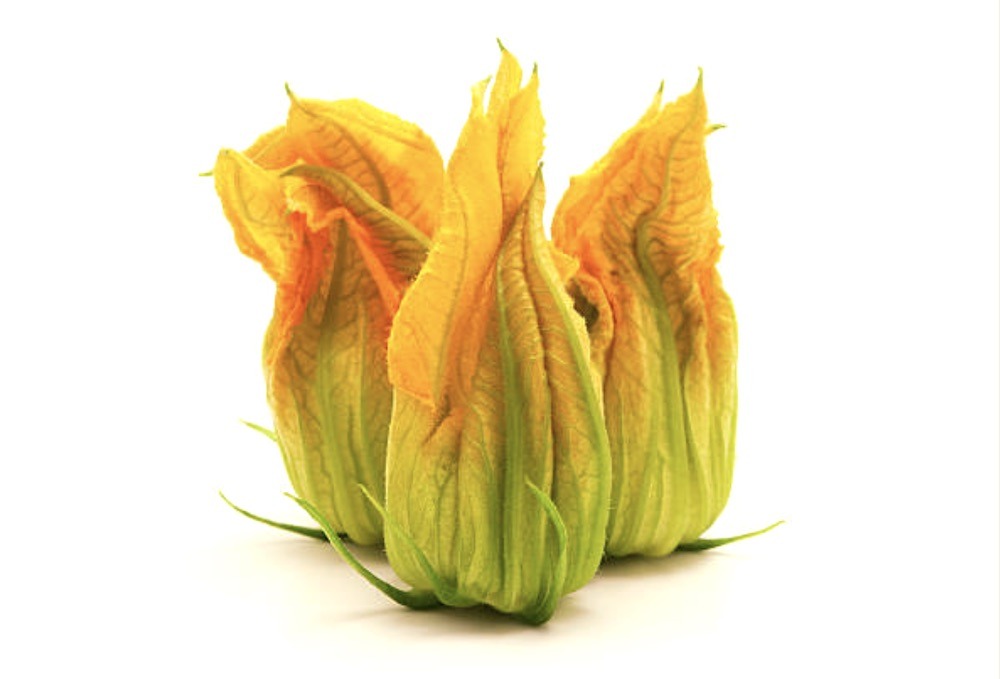
Zucchini flowers are not only beautiful but also considered a culinary delicacy. Their use in the kitchen is especially common in Mediterranean regions and gourmet kitchens worldwide. Here’s an in-depth look at the various ways to use these flowers.
Types of Flowers
There are two types of zucchini flowers:
- Male Flowers: These grow on the end of a long, thin stem and do not produce fruit.
- Female Flowers: These are attached to the end of the young zucchini itself.
Culinary Uses of Zucchini Flowers
Zucchini flowers are delicate and flavorful and can be used in a variety of dishes:
- Stuffed: One of the most common uses of zucchini flowers is to stuff them. They can be filled with mixtures of cheese, herbs, ground meat, or rice, and then baked or fried. A popular stuffed dish is zucchini flowers filled with ricotta or goat cheese.
- Fried: The flowers can be fried in a light batter of flour and water or egg, giving them a crispy texture and a delicate, unique taste. Fried zucchini flowers are especially popular in Italy.
- In Salads: Fresh zucchini flowers can be added to salads, adding color and a mild flavor.
- In Soups and Stews: Zucchini flowers can be used as an addition to soups and stews, enriching the dish with flavor and color.
- In Pasta and Risotto: Zucchini flowers can also be used as a garnish for pasta and risotto dishes, added at the end of cooking to retain their delicate texture and flavor.
Nutritional Benefits
Zucchini flowers offer nutritional benefits similar to the fruit itself:
- Low in Calories: The flowers are low in calories, making them suitable for diet menus.
- Rich in Antioxidants: Like other parts of the zucchini, the flowers contain antioxidants such as vitamin C and beta-carotene.
- Good Source of Vitamins and Minerals: The flowers are rich in essential vitamins and minerals, including vitamin A, vitamin C, calcium, and iron.
Tips for Use
- Harvesting and Storage: It is best to pick the flowers early in the morning when they are open and fresh. Use them as soon as possible after picking, as they tend to dry out and lose their freshness quickly.
- Cleaning: Gently wash the flowers in cool water and remove the stamens from the male flowers before use. Female flowers usually do not require the removal of inner parts.
What Have We Learned?
Zucchini is a powerhouse vegetable offering numerous health benefits, culinary versatility, and even medicinal and cosmetic applications. Whether you’re growing it in your garden, incorporating it into your diet, or using it in a skincare routine, zucchini proves to be a valuable addition to your lifestyle. Embrace the many advantages of this remarkable vegetable and enjoy the countless ways it can enhance your health and well-being.
*** Natural Face Masks Including Zucchini ***