
 עברית
עברית
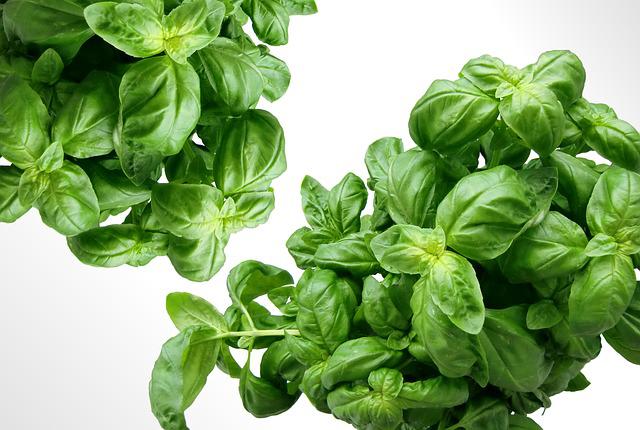
Most of us are familiar with basil as a plant with a wonderful aroma and taste that enhances a wide variety of recipes. You’ll be amazed by what this incredible plant has to offer us.
Basil (scientific name: Ocimum basilicum) is a remarkable and exceptional aromatic plant that, beyond its great taste and scent, is also packed with numerous health benefits. Originally from India, Asia, and Africa, basil is considered a sacred and noble healing plant. The term “basil” comes from the Greek word “basileus,” which means “royal.”
With over 60 varieties, including sweet basil, holy basil, lemon basil, and Thai basil, among others, this wonderful herb now grows all over the world.
The most popular variety is sweet basil, which has a very strong aroma and a familiar taste. Different basil varieties offer different flavors. For example, lemon basil has a zesty lemon taste, while mint basil has a refreshing mint flavor.
Here are some of the most common varieties:
Sweet Basil: The most widely grown basil variety, known for its use in Italian cuisine. It is commonly sold dried in supermarkets and has a sweet, clove-like taste.
Greek Basil or Bush Basil: It has a strong aroma but a mild flavor, making it a suitable substitute for sweet basil. It grows compactly with small leaves and thrives well in pots.
Thai Basil: It has an anise-liquorice flavor and is popular in Thai dishes and Southeast Asian cuisine.
Cinnamon Basil: Native to Mexico, it has a taste and scent resembling cinnamon. It is often served with cheeses or spicy and tangy vegetables.
Lettuce Basil: It has large, wrinkled, and tender leaves with a flavor reminiscent of liquorice. It works well in salads or with tomatoes and olive oil.
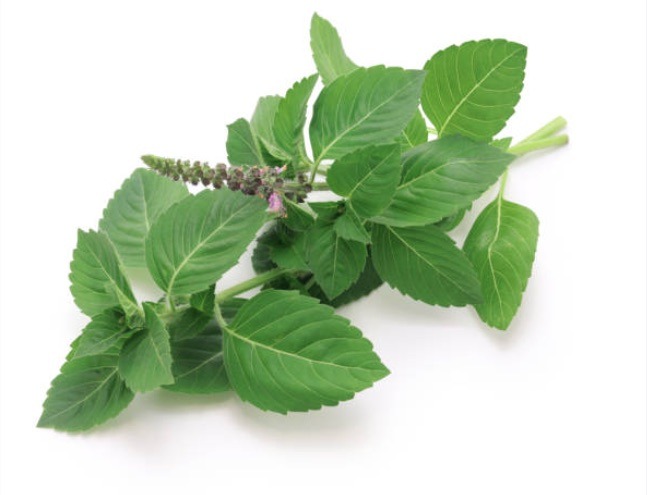
The most common basil used as a food additive and in herbal teas is Holy Basil, sometimes called Tulsi, which is a variety of Ocimum tenuiflorum, also known as Ocimum sanctum. This variety flavors several Thai dishes due to its distinctive taste.
What are the benefits in Basil?
Research shows that even just one tablespoon of basil a day can make a big difference.
| 1tbs = 2gr | Fresh leaves (% of recommended daily intake) | Dry leaves (% of recommended daily intake) |
| Energy | 0.6 | 5 |
| Vitamin A | 3% | 4% |
| Vitamin K | 13% | 43% |
| Calcium | 0.5% | 4% |
| Iron | 0.5% | 5% |
| Manganese | 1.5% | 3% |
Please note that dried leaves in the table offer more inherent health benefits. This holds true for the concentration level of many other herbs as well, but there are plants that are important to consume in their fresh state, and basil is one of them.
In addition to all the goodness mentioned above, basil is also rich in a variety of antioxidants, including beta-cryptoxanthin, zeaxanthin, lutein, and beta-carotene. Unfortunately, these wonderful compounds leave basil during the drying process. Therefore, don’t give up on snacking on fresh basil leaves whenever you have the opportunity and reap the maximum benefits they have to offer us.
Basil in Medicine
Why is basil good for you? Research shows that the popular type of basil we all know has the following positive effects:
Anti-inflammatory properties
Antioxidant
Anti-cancer properties
Pain reliever
Fever reducer
Diabetes prevention
Liver protection
Cardiovascular protection
Blood pressure solution
Strengthens the immune system
Here is an elaboration on some of the key benefits of different types of basil:
- Contains antioxidants that prevent and even fight diseases.
The antioxidants and essential oils present in basil have the ability to reduce the damage caused by free radicals while protecting the structure of DNA and cells. This plant contains flavonoid antioxidants, such as orientin and viceninare, which help protect white blood cells responsible for proper immune system function and the structures where DNA is stored. Research indicates that the antioxidants found in this herb, including phenolic acids and at least 18 different types of flavonoids, also prevent chromosomal alterations, thereby avoiding mutations in cells and the growth of cancerous cells. Due to the effects of toxins in the diet, environmental pollution, and radiation, processes of oxidation occur in the body. However, antioxidants like those found in basil help fight oxidation and slow down the effects of aging. - Basil aids with Diabetes
If you have diabetes, it is highly recommended to add basil to your daily diet. It slows down the process of sugar release into the blood while aiding in diabetes management. According to numerous studies on animals and humans, holy basil can also help with other health complications related to diabetes, including hyperinsulinemia (high insulin levels in the blood), body weight, and more. Research results showed that 60 individuals with type 2 diabetes took 250 mg of holy basil extract alongside their diabetes medication for three months, taken before breakfast and dinner. They experienced an 18% decrease in average blood sugar levels compared to those who only took the medication. - Helps fight cancer
Clinical studies published in Nutrition and Cancer have shown that holy basil contains phytochemicals that can naturally aid in the prevention of various cancers, including skin, liver, oral, and lung cancer. Compounds found in holy basil have been found to increase antioxidant activity and positively alter gene expressions, leading to the death of cancer cells and inhibiting the spread of cancerous growths. - Beneficial for digestion
Sweet basil contains eugenol, a chemical compound with anti-inflammatory properties that ensure a healthy digestive system. Basil is beneficial for both our digestive and nervous systems, promoting optimal digestion and maintaining a proper pH balance in our bodies. Basil also helps alleviate constipation by acting as a natural laxative when consumed in significant quantities. - Aids in depression
Basil contains adaptogens, anti-stress substances. Research shows that these substances help cope with anxiety and depression by stimulating neurotransmitters responsible for mood regulation. So let’s enjoy a warm cup of tea with a perfect blend of holy basil and marjoram and feel the difference. In addition, a study conducted on 158 individuals with at least three stress symptoms found that taking 1,200 mg of holy basil extract daily for six weeks was 39% more effective in improving overall stress symptoms compared to a placebo. - Protection against infections
Basil has antibacterial properties. The essential oils in the plant help combat bacteria in individuals with respiratory, urinary, gastrointestinal, and skin inflammations.
It’s worth knowing
- Consuming basil leaves in the morning helps maintain a balanced and healthy digestive system. Eating this plant on an empty stomach allows you to benefit from its assistance in regulating acidity levels in your body while maintaining optimal pH levels.
- Although holy basil has a taste and characteristics similar to sweet basil or Thai basil, they are not identical and have different properties. Holy basil (Tulsi) primarily serves as a medicinal ingredient, while basil is a common culinary herb and garnish.
Possible side effects of basil:
Although basil is relatively safe as a culinary herb, there are situations where its consumption is less recommended.
Avoid consuming holy basil if you have low blood sugar levels, are trying to conceive, or if you are taking blood-thinning medications (anticoagulants).
- Basil contains eugenol. This is not healthy for our teeth. Regular chewing of basil can damage the enamel layer of the tooth and even change the color of the teeth.
- Taking pain relievers such as acetaminophen increases the risk of liver damage when regularly consuming holy basil (Tulsi). It is highly recommended to consult with a family physician before adding it to your diet.
To prevent complications, it is always desirable and recommended to consult your family doctor regarding any supplements or natural remedies we take.
Basil In Cosmetics
In addition to the vitamins and minerals found in this amazing plant, basil contains powerful and healing essential oils that can cleanse the skin from within, thanks to their non-water-soluble nature. They are light and small enough to pass through the air and pores of our skin.
An ingredient called camphene found in basil is a savior for those with oily skin. This component helps it act as a toner, assisting in the removal of excess oil, dead cells, and clogged pores. It even works on stubborn blackheads.
Additionally, it treats acne and neutralizes free radicals that harm the skin and make it look older and tired.
To treat and prevent all of these, all you need to do is prepare this winning cream at home and simply enjoy the results.
How and where can you obtain it?
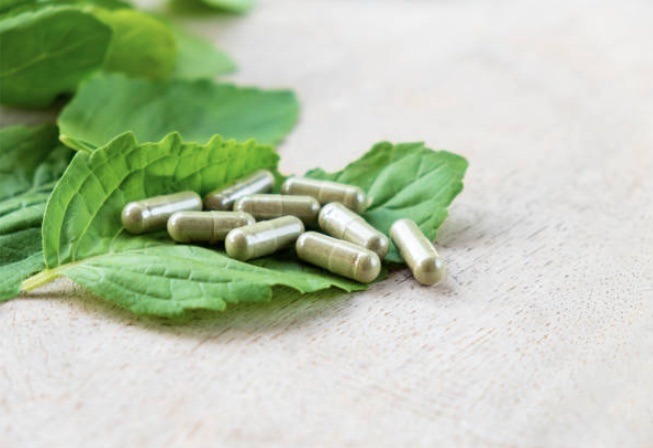
Sweet basil is easily available fresh in any supermarket or grocery store, and in its dried form, it can be found in spice shops. Holy basil is a bit more challenging to find in its fresh form (if you know where to find it, let me know!). It can be found in its dried form in natural health stores as dried leaves for herbal tea or in capsule form, and it is also sold as a tincture under the name Tulsi.
Of course, you can also grow all types of basil through propagation or from seeds.
If you have chosen to grow basil, all the information you need on how to grow it can be found in the article “How to Grow Basil”
Pets: Basil in small quantities is healthy for dogs and cats. It has anti-inflammatory properties and contains high levels of antioxidants that help prevent various diseases, including cancer. Basil also helps prevent cellular damage, calms the stress level of the pet, and alleviates inflammatory joint pain. It is even possible to find basil supplements for pets.