The origin of the tomato is Mexico and it is the type of food that should be consumed every day.
The Journal of Agricultural and Food Chemistry published a research study funded by the Spanish Ministry of Science and Innovation, in which it was proven that organic tomatoes are richer in phenolic antioxidants, which fight free radicals that damage the cells in our body and cause many diseases. Those antioxidants protect plants from disease. When it comes to humans, high consumption of phenols has been scientifically proven to help reduce the risk of various diseases, especially heart disease and various types of cancer.
The tomato belongs to the Solanaceae family, to which potatoes, eggplants and peppers also belong.
What is good about tomato?
The real star in tomatoes is lycopene. Lycopene, which gives the tomato its red color, is considered a particularly powerful antioxidant.
Many studies have shown a connection between a diet rich in lycopene and its properties such as maintaining eye health, bone health and brain function, as well as reducing skin damage in all its shades as well as damage caused by excessive exposure to the sun’s rays, reducing the risk of various types of cancer – especially prostate cancer and reducing The risk of cardiovascular disease. But despite this, it is difficult to unequivocally believe that the results of the studies regarding a large part of the virtues are unequivocal because of the difficulty of separating the lycopene from the other healthy components present in the tomato.
Lycopene and the other components in tomato also contribute to reducing the risk of cardiovascular diseases, reducing the oxidation of LDL cholesterol (“the bad cholesterol”), reducing blood cholesterol levels, reducing the inflammatory response, and more. A study conducted at the University of Adelaide in Australia reinforces the claim that tomato paste is as good for reducing cholesterol as statins, due to the lycopene it contains.
In addition, daily eating of tomatoes and their products significantly reduces (55%) the chance of having a stroke.
To provide significant protection against cardiovascular diseases, it is recommended to consume an amount of about half a liter of tomato juice or alternatively 50 grams of tomato paste every day.
And these are the nutritional values of the tomato:
beta-carotene. Beyond lycopene, the tomato also contains beta carotene, which contributes to reducing the risk of cancer and serves as a basis for vitamin A, which is essential for vision and maintaining the function of the immune system, in addition it is used as a regulator for normal growth and maintaining skin health.
The tomato is rich in vitamin C – known as an excellent antioxidant that contributes to strengthening the immune system, reducing the risk of heart disease, stroke and cancer.
Iron is the main player in preventing fatigue and weakness caused by anemia and is a mandatory component for the proper functioning of the brain and the development of learning ability in preschoolers and children.
The tomato also contains vitamin K. A mandatory ingredient for blood clotting and excellent for bone strengthening.
Vitamin B6 is essential for protein metabolism and reduces homocysteine levels in the blood, which reduces the risk of heart disease.
The tomato also contains potassium, an essential mineral that helps reduce the risk of high blood pressure and heart disease and also strengthens the bone.
The wonderful tomato also contains dietary fiber responsible for the proper functioning of the digestive system, balancing cholesterol and blood sugar levels.
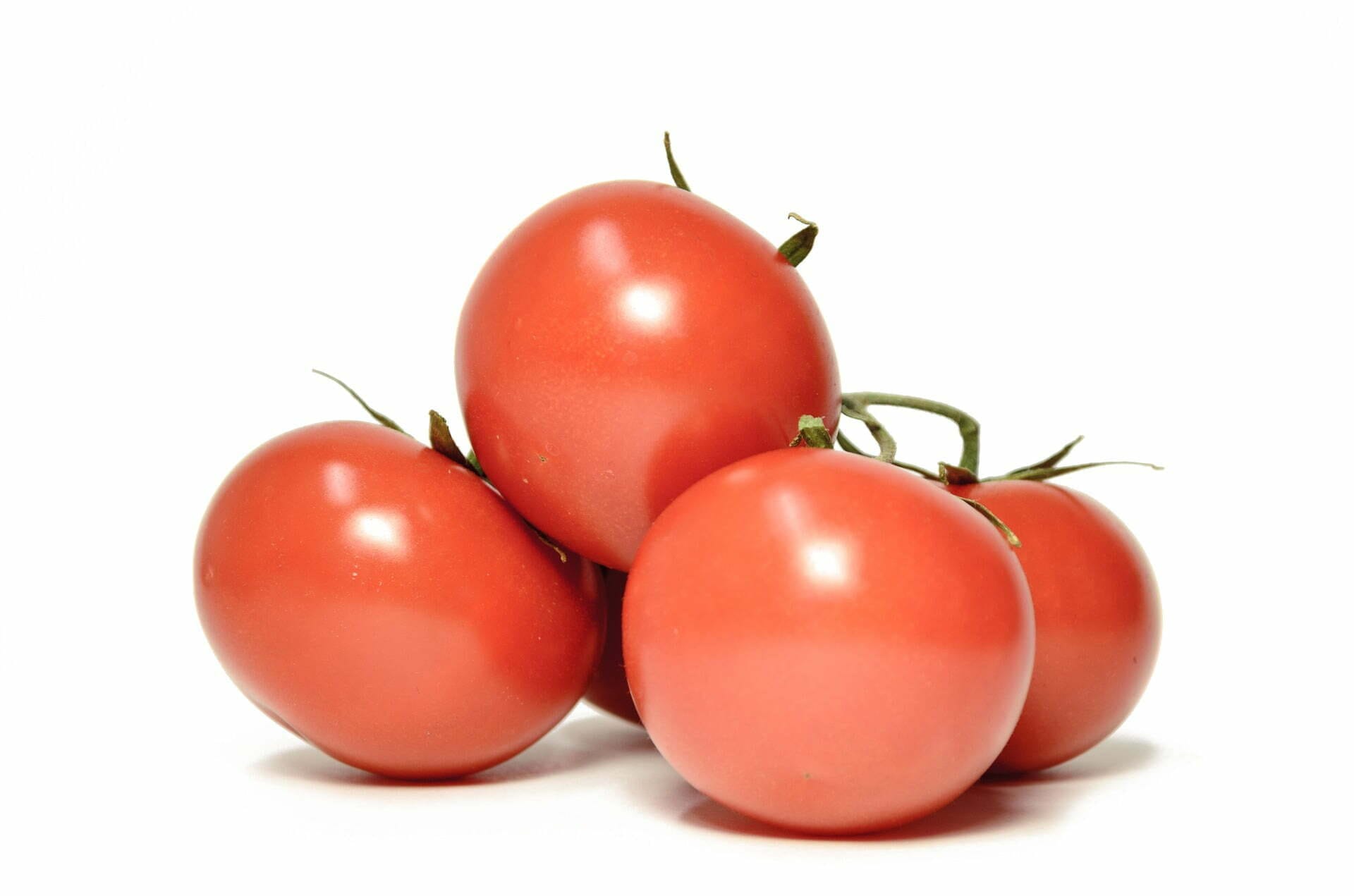
The nutritional values of the tomato (100 grams – a small size tomato)
Calories: 18
Carbohydrates: 4 grams
Protein: 0.9 grams of protein
Dietary fiber 1.2 grams (4% of the recommended daily intake)
Iron: 0.3 mg (2-4% of the recommended daily intake)
Fat: 0.2 grams
Potassium: 237 mg (5% of the recommended daily intake)
Vitamin K: 8 mcg (8% of the recommended daily intake)
Vitamin B6: 0.08 mg (5% of the recommended daily intake)
Vitamin C: 14 mg (17% of the recommended daily intake)
Vitamin A: 42 mcg (5% of the recommended daily intake)
What are the best sources of lycopene?
The best source of lycopene is tomatoes and their products. The other foods containing lycopene are: watermelon, red grapefruit and papaya.
Important Information! Lycopene is not damaged in the processing process and it was found that heating even makes it more available to the body, unlike other healthy components. Actually tomato paste, crushed tomatoes, tomato sauce, tomato juice and even ketchup are much richer in lycopene than fresh tomatoes so don’t be afraid of the products and know that they are much richer in lycopene than the fresh produce.
For example: a cherry tomato has 437 mcg of lycopene and in contrast, one tablespoon of tomato paste has 3,140 mcg of lycopene and a tablespoon of ketchup has 2,506 mcg. A cup of canned crushed tomatoes has 54,385 micrograms of lycopene and a cup of tomato juice contains 21,960 micrograms of lycopene. Sounds Interesting, Right?
Ripe your tomatoes. Cooking the tomato increases the availability of lycopene and its absorption in the body. It is highly recommended to eat cooked tomatoes in addition to the consumption of fresh tomatoes and to improve the perfect absorption of our friend lycopene in our bodies, combine a small amount of quality oil in your recipe.
Phytonutrients and Compounds
Lycopene: Present in large amounts, lycopene is known for its antioxidant and potential anti-cancer properties.
Beta-Carotene: Another antioxidant, beta-carotene is converted to vitamin A in the body.
Quercetin: A flavonoid that may have anti-inflammatory and antioxidant effects.
Tomatoes in Medicine
Common Medical Uses:
- Heart Health: Due to its potassium content, it can help regulate blood pressure.
- Digestive Aid: Its fiber content may help prevent constipation and promote gut health.
- Cancer Prevention: Though research is ongoing, lycopene in tomatoes has shown promise in cancer prevention.
- Skin Health: Contains Vitamin C, which is essential for skin repair and growth.
- Anti-Inflammatory: The lycopene in tomatoes may have anti-inflammatory properties.
Precautions and Consultations
Though tomatoes are generally considered safe, some people may experience allergies or gastrointestinal issues. Those with acid reflux or stomach ulcers should consume them in moderation.
Tomatoes in Cosmetics
The tomato and its components help a lot in the treatment of reducing pores, acne, rashes, lightening skin spots and has properties for healing and treating oily skin.
Skin and Hair Benefits:
- Anti-Aging: The antioxidants in tomatoes can help fight skin aging.
- Skin Health: Its anti-inflammatory properties may help conditions like acne.
- Hair Care: While not common, some products may use tomato extracts to promote hair growth.
Animals: Usage and Precautions
Dogs and Cats:
Tomatoes should be offered in moderation, and the green parts should be avoided as they contain toxic substances like tomatine.
Horses:
Generally safe in moderate amounts but should not replace a balanced diet.
Small Animals:
Like rabbits and hamsters, can eat tomatoes but should avoid the green parts.
Precautions
Always consult a veterinarian before making changes to an animal’s diet, especially if they have pre-existing conditions.
In Summary
The tomato is a multi-faceted and nutritious food that provides numerous health benefits. However, it’s essential to consult healthcare providers for personalized advice, especially if you or your pets have specific medical conditions or dietary needs.
*** Natural face masks that include tomato ***
***Delicious recipes containing tomatoes***

 עברית
עברית